
The purpose of any well-designed corporate event is simple. It is to communicate a message.
There are many tools available to help make that message resonate with an audience. Event planners and producers shape the guest experience from the moment an invitation is sent until the final thank you note is delivered. Production teams contribute through lighting, sound, video, and staging. Together these elements create the atmosphere in which communication happens.
Yet one of the most powerful tools in event production and event design is often overlooked.
It is the room itself.
How a space is arranged has a profound influence on how people experience an event. The layout of a room shapes attention, energy, and engagement long before a speaker ever walks on stage. The encouraging part is that thoughtful event staging and room design rarely requires a large budget. It simply requires intention.
The Psychology of Room Layout
Most venues have a standard configuration. Rooms are designed to function in a particular way. Entrances, exits, kitchen access, and built in audiovisual infrastructure all tend to guide planners toward a predictable layout. Many venues also provide standard furniture and staging packages that can be deployed quickly and at little or no cost.
For some events, these standard configurations work perfectly well.
However, choosing the default layout too quickly can mean missing one of the most effective tools available in event production strategy.
The way a room is arranged communicates something to your audience.
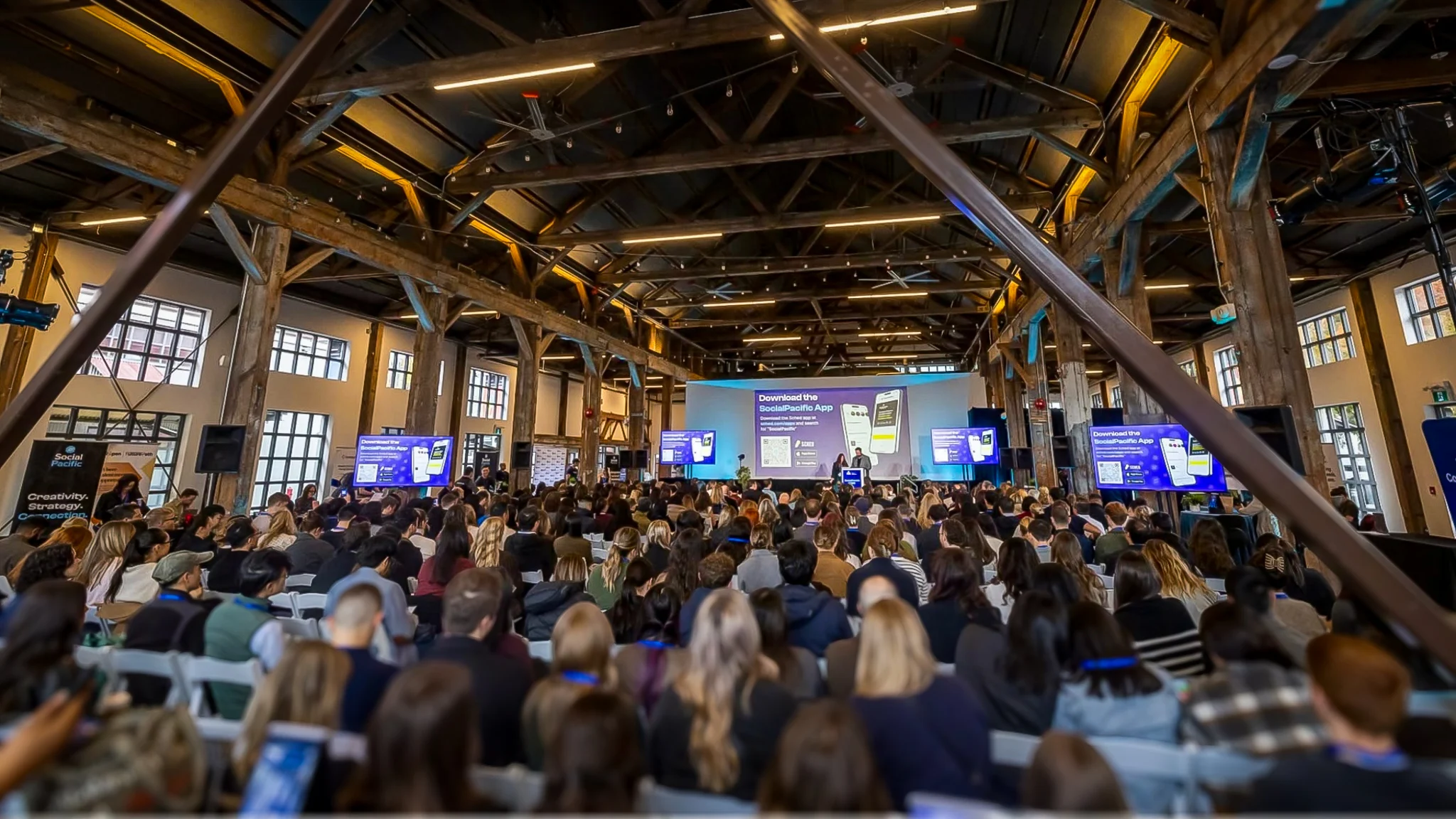
What guests see when they enter the space matters. Are they greeted by a stage that immediately focuses attention on the message? Are they seated at round tables that encourage conversation? Are they arranged theatre style so that every chair faces the speaker?
Even small choices such as sightlines, chair orientation, and the relationship between the stage and the audience influence how people interpret the event.
Intentional event staging and spatial design signals that the moment has been thoughtfully created.
It tells attendees that this gathering is purposeful rather than routine.
Moving Beyond the Default Layout
In many venues the same meeting rooms are used every day. Tables are cleared, linens are replaced, and the room is reset in exactly the same configuration for the next group. From the perspective of operations this makes sense. From the perspective of event experience design, it creates a challenge.
If every meeting looks the same, it becomes difficult to create a memorable moment for the audience.
This is where thoughtful use of space becomes powerful.
Reorienting a stage, adjusting the seating layout, or introducing an unexpected flow through the room can subtly change the energy of an event. A theatre configuration might create focus for a keynote. Round tables might encourage collaboration during a strategy session. A central stage surrounded by the audience can bring people closer to the message being delivered.
These choices do not necessarily create dramatic spectacle.
But they do create distinction.
When guests enter a room and immediately sense that something feels different, the experience becomes more memorable. The environment signals that the event has been designed intentionally.
Event Design as a Communication Tool
Great event production is not just about lighting, sound systems, or video screens. It is about shaping an environment where communication is clear and engaging.
Room layout plays a critical role in this process.
The way an audience sits, the distance between speakers and attendees, and the orientation of the stage all influence how information is received. Thoughtful event design and staging strategy can support focus, encourage interaction, and reinforce the message being delivered.
Sometimes the best solution will still be the traditional layout the venue was designed for. Standard configurations exist for good reasons.
The key is to ask the question before defaulting to the answer.
When planners and production teams pause to consider how the space supports the objective of the event, they unlock one of the simplest and most effective tools in live event production.
Thoughtful Production Applies to Every Event
The scale of an event does not determine whether thoughtful production is necessary.
A leadership meeting with 40 people deserves the same level of intentional design as a conference with 2,000 attendees. In many cases, smaller events benefit even more from careful planning because the experience is more intimate.
When planners, designers, and live event production teams approach a space with curiosity and intention, even the simplest room can become a powerful environment for communication.
And often, the most impactful change begins with a simple question.
What if we try something different?
Because no event that matters is ever too small for thoughtful production.
Explore the full idea in our article No Event Is Too Small.